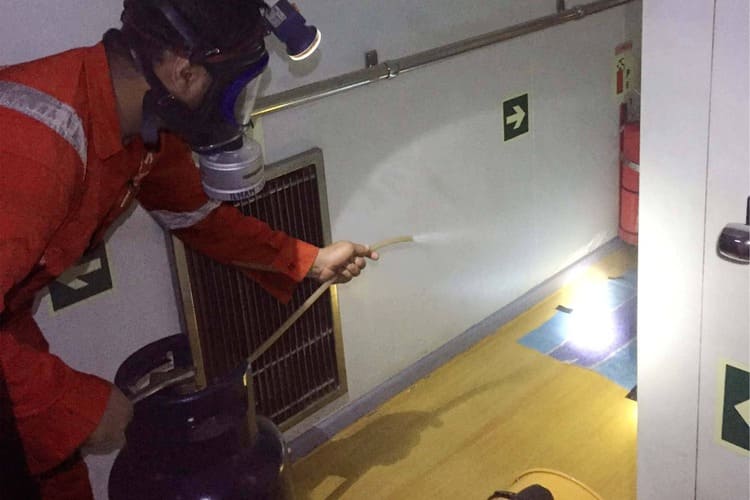
Marine Fumigation Services: Effective Pest Control Solutions for Ships, Cargo, and Ports
Fumigation services involve the use of chemical agents (fumigants) to eliminate pests, particularly insects and rodents, from enclosed areas such as buildings, storage facilities, shipping containers, and soil. The process is essential in sectors like agriculture, logistics, and property maintenance to control infestations that could damage crops, stored products, or structural integrity.
Marine Fumigation Services: Ensuring Pest-Free Shipping and Cargo Transport
The marine industry is a vital link in global trade, with millions of tons of cargo transported by sea every year. However, pests like insects, rodents, and invasive species pose a significant risk to ships, cargo, and port facilities. Marine fumigation services play a crucial role in preventing infestations that could damage goods, compromise ship safety, or cause costly delays due to quarantine violations.
Why Marine Fumigation Matters
Pests can enter ships and containers during loading or while at sea, and without proper control, they can infest cargo, causing contamination or physical damage. This is especially concerning for food shipments, grain, timber, and other perishables. Fumigation ensures that these pests are eradicated before they can cause harm or spread to new regions.
Key Areas of Marine Fumigation
1. Ship Fumigation:
Ships, especially cargo holds, need fumigation to eliminate pests that may have entered from port or cargo sources. This ensures that pests do not affect the structural integrity of the ship or cargo.
2. Cargo Fumigation:
Containers, bulk goods, and other stored products can be infested with pests like beetles, moths, and rodents. Cargo fumigation effectively eliminates pests, ensuring goods meet international health and safety standards.
3. Port and Terminal Fumigation:
Ports and terminals are hotspots for pest infestations due to constant goods handling. Fumigating warehouses and port storage areas helps control pest spread, keeping shipments and facilities safe.
Compliance and Safety
Marine fumigation services are not just about pest control but also about adhering to international regulations like the International Maritime Organization (IMO) guidelines and quarantine protocols. Professional fumigation ensures compliance with these regulations, avoiding hefty fines or delays due to infested cargo.
Conclusion
In the highly regulated world of maritime logistics, marine fumigation services are critical to maintaining the integrity of goods and the smooth operation of the supply chain. Whether you’re shipping food products, bulk cargo, or sensitive materials, investing in fumigation ensures that pests are controlled before they cause damage or delays.
Leave A Reply