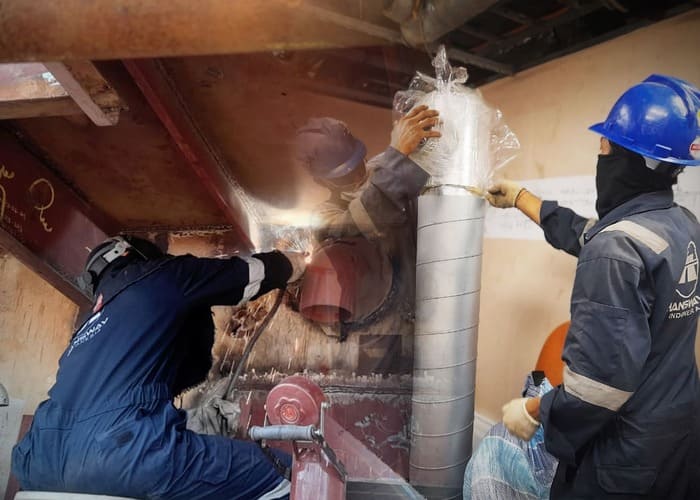
Marine HVAC Systems: Efficient Climate Control for Vessels and Offshore Platforms by Hansway
The Role of HVAC Systems in Maritime Operations
Marine HVAC systems are fundamental to maintaining optimal conditions aboard various maritime structures, such as:
- Cargo Ships and Tankers
- Yachts and Cruise Ships
- Offshore Oil and Gas Platforms
- Military and Research Vessels
The primary goals of these systems are to:
- Regulate Temperature: Ensure comfortable temperatures in crew quarters and working areas, regardless of external conditions.
- Control Humidity: Prevent condensation and mold, which could damage equipment and compromise air quality.
- Ensure Air Quality: Maintain proper airflow and filtration to protect against harmful gases, especially in engine rooms and confined spaces.
Key Components of Marine HVAC Systems
-
Chillers and Condensers
These units cool water, which is then circulated throughout the vessel to regulate temperatures in air-handling units (AHUs). -
Air Handling Units (AHUs)
AHUs distribute cool or heated air through ducts across various sections of the ship, ensuring consistent airflow. -
Ventilation Fans
Ventilation systems are vital for air circulation and pollutant removal, particularly in engine rooms and other areas where toxic fumes could accumulate. -
Dehumidifiers
Dehumidifiers help prevent excess moisture, which can lead to mold growth and corrosion of sensitive equipment. -
Control Systems
Automated control systems monitor and adjust HVAC operations, optimizing energy use while maintaining ideal environmental conditions.
Benefits of Marine HVAC Systems
1. Comfort for Crew and Passengers
Whether aboard a commercial ship or a luxury cruise, climate control is essential for crew performance and passenger satisfaction. A well-functioning HVAC system ensures that cabins, common areas, and working spaces remain comfortable.
2. Protection of Equipment and Cargo
In the maritime environment, excess humidity and temperature fluctuations can cause corrosion or damage to machinery. HVAC systems help stabilize these conditions, extending equipment lifespan and protecting temperature-sensitive cargo.
3. Energy Efficiency
Modern marine HVAC systems are designed to minimize energy consumption. Energy-efficient chillers, variable speed fans, and automated controls help reduce the vessel's overall carbon footprint and operational costs.
4. Safety and Compliance
Proper ventilation ensures that dangerous gases and fumes are expelled from critical areas, such as engine rooms. Furthermore, compliance with international standards like those set by the International Maritime Organization (IMO) ensures safety and operational readiness.
Challenges of Marine HVAC Systems
Operating in harsh marine environments poses unique challenges for HVAC systems:
- Saltwater Exposure: Corrosion from saltwater and high humidity can degrade components over time.
- Space Constraints: Marine HVAC systems must be compact yet powerful enough to serve large areas effectively.
- Energy Consumption: Managing power consumption aboard vessels with limited energy resources is a constant concern.
To mitigate these challenges, routine maintenance is essential to ensure efficiency and prevent costly downtime.
Maintenance Tips for Marine HVAC Systems
-
Regular Cleaning of Filters and Ducts
Dust and debris can clog filters and ducts, reducing system efficiency and air quality. -
Inspect and Service Fans and Compressors
Fans and compressors are vital components that need frequent inspection to avoid failures during operations. -
Monitor Humidity Levels
Humidity control is crucial to prevent condensation-related issues that can harm both equipment and cargo. -
Conduct Routine Inspections of Control Systems
Automated control systems require software updates and calibration to maintain optimal performance. -
Use Corrosion-Resistant Materials
Choosing marine-grade components ensures longevity and better resistance to harsh conditions.
Choosing the Right HVAC System for Marine Applications
Selecting the right marine HVAC system depends on several factors, including:
- Vessel Type and Size: A luxury yacht requires different climate control solutions compared to a cargo ship.
- Environmental Conditions: Systems for polar expeditions need additional heating, while tropical operations may focus on cooling and dehumidification.
- Energy Efficiency: Energy-efficient systems not only reduce operational costs but also minimize environmental impact, aligning with global sustainability goals.
Working with reputable marine HVAC providers ensures access to reliable equipment, expert installation, and ongoing support.
Leave A Reply