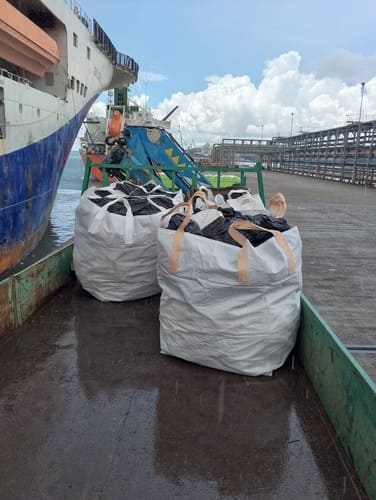
Removal of Hazardous Waste and Normal Waste: A Complete Guide for Safe Disposal
Complete Guide to Safe Disposal: Removal of Hazardous and Normal Waste
Proper waste management is essential for maintaining a clean environment and ensuring public health and safety. Different types of waste—hazardous and normal—require specific handling and disposal methods to prevent harm to ecosystems, wildlife, and communities. This comprehensive guide explores the significance, methods, and best practices for the safe removal of both hazardous and normal waste.
1. Understanding Hazardous and Normal Waste
Hazardous Waste
Hazardous waste refers to materials that pose a significant threat to human health or the environment. This waste can be solid, liquid, or gaseous and typically contains toxic, flammable, corrosive, or reactive properties. Common examples include:
- Chemical waste from industries (e.g., solvents, acids)
- Batteries and e-waste (e.g., old phones, computers)
- Medical waste (e.g., syringes, expired medicines)
- Paints, pesticides, and cleaning agents
Key Risks:
- Soil and water contamination
- Fire hazards and chemical reactions
- Adverse health effects on humans and animals
Normal Waste (General Waste)
Normal waste, also known as non-hazardous or general waste, consists of everyday materials that do not pose significant threats to the environment or human health. This includes:
- Household trash (e.g., food scraps, packaging)
- Office waste (e.g., paper, plastics)
- Garden waste (e.g., leaves, grass clippings)
While normal waste is less hazardous, improper disposal can still lead to pollution and environmental degradation.
2. The Importance of Proper Waste Management
Improper disposal of hazardous and normal waste can lead to severe environmental and health consequences, such as:
- Soil and water contamination
- Air pollution from the incineration of toxic materials
- Health risks like respiratory issues, poisoning, or chemical burns
- Harm to marine and wildlife through ingestion or entanglement in plastic waste
By adhering to appropriate disposal methods, individuals, businesses, and governments can contribute to sustainability, public safety, and environmental protection.
3. Best Practices for the Removal of Hazardous Waste
-
Identify and Segregate Hazardous Waste
Separate hazardous materials from other types of waste to avoid contamination. Clearly label hazardous waste to ensure easy identification. -
Follow Local Regulations
Adhere to local guidelines for hazardous waste disposal. Collaborate with certified waste management companies for proper collection and treatment. -
Use Specialized Containers
Store hazardous waste in approved, leak-proof containers to prevent spills or accidents. Containers should be clearly labeled with contents and hazard warnings. -
Schedule Professional Disposal Services
Arrange for licensed hazardous waste handlers to collect and dispose of materials safely. They have the expertise to treat, recycle, or dispose of dangerous substances properly. -
Maintain Records and Documentation
For industries, keeping records of hazardous waste generation and disposal ensures compliance with environmental laws and helps monitor waste reduction efforts.
4. Safe Disposal Methods for Normal Waste
-
Reduce, Reuse, and Recycle (3Rs)
Implementing the 3Rs helps minimize waste sent to landfills. Recycle materials like glass, plastic, and paper, and consider donating reusable items. -
Composting Organic Waste
Compost kitchen and garden waste to create nutrient-rich soil, reducing the volume of biodegradable waste sent to landfills. -
Proper Bin Management
Use color-coded bins to separate recyclables, compostable materials, and landfill waste, ensuring proper processing at disposal facilities. -
Utilize Municipal Waste Collection Services
Take advantage of regular garbage collection services provided by local authorities. Ensure household and business waste is placed in the appropriate bins for pickup.
5. Differences in Handling Hazardous and Normal Waste
| Aspect | Hazardous Waste | Normal Waste |
|---|---|---|
| Risk Level | High risk to health and environment | Lower risk, but still contributes to pollution |
| Storage Requirements | Requires special containers and labeling | Can be stored in general bins |
| Disposal Methods | Treatment, recycling, incineration, or secure landfill | Recycling, composting, or general landfill |
| Handling | Requires certified professionals | Managed by municipal waste services |
| Examples | Batteries, chemicals, medical waste | Food waste, paper, plastic packaging |
6. Conclusion
Effective waste management encompasses proper identification, segregation, and disposal techniques. While normal waste can be managed through recycling, composting, and landfill disposal, hazardous waste requires specialized handling to prevent environmental harm and health risks.
By adopting sustainable practices and following local regulations, individuals and businesses can minimize their environmental impact, contributing to a cleaner, healthier planet. Whether dealing with hazardous or normal waste, responsible disposal ensures future generations inherit a safer and more sustainable world.
7. Frequently Asked Questions (FAQs)
Q1: Can I dispose of hazardous waste in my regular trash?
No. Hazardous waste must be disposed of through specialized collection services to prevent environmental contamination and health risks.
Q2: How do I know if something is considered hazardous waste?
Check product labels for hazard symbols and warnings. Materials that are toxic, flammable, corrosive, or reactive are classified as hazardous.
Q3: What happens to recycled hazardous waste?
Some hazardous waste, like e-waste and batteries, can be recycled to recover valuable materials such as metals, while others are treated to neutralize harmful properties.
Q4: What is the best way to reduce normal waste generation?
Adopt eco-friendly practices such as using reusable items, recycling, and composting organic waste to minimize waste sent to landfills.
Q5: Are there penalties for improper disposal of hazardous waste?
Yes. Many countries impose fines and penalties for businesses and individuals who improperly dispose of hazardous materials, as it poses serious risks to public safety and the environment.
Leave A Reply