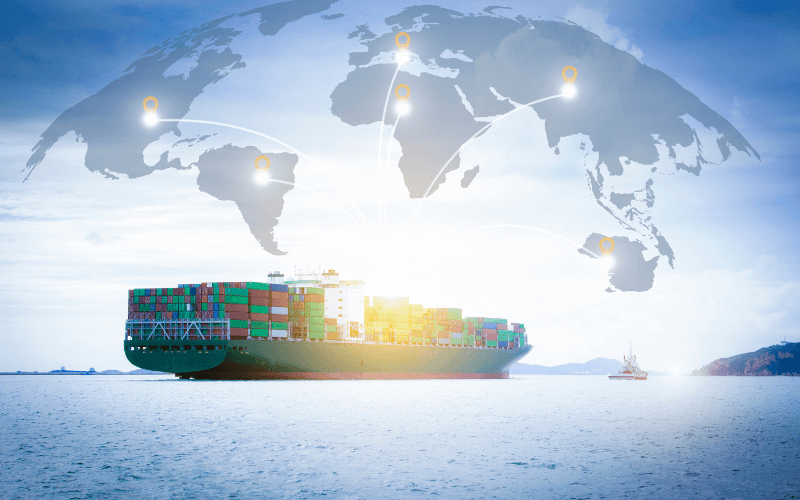
Revolutionizing Shipping: The Power of Efficiency on the High Seas
The shipping industry, is undergoing a profound transformation. With international commerce increasingly demanding faster, more reliable, and more sustainable solutions, shipping companies are looking to harness new technologies, innovative strategies, and operational efficiencies to stay competitive. This revolution is centered around improving the efficiency of operations on the high seas, addressing environmental concerns, and preparing for future growth in a rapidly changing global marketplace. This involves not only improving the efficiency of existing processes but also rethinking traditional methods to adapt to the unique challenges posed by the open ocean environment. By focusing on optimization, stakeholders can ensure that maritime activities are not only profitable but also sustainable, preserving ocean ecosystems for future generations.
The Innovations such as automated vessels, real-time data analytics, and artificial intelligence can enhance navigation, improve catch rates, and optimize supply chains. For instance, the use of predictive analytics can help fishing fleets identify the best locations and times for harvesting, reducing fuel consumption and bycatch. Similarly, smart shipping technologies can streamline logistics, minimize delays, and lower greenhouse gas emissions. By embracing these advancements, the maritime sector can achieve greater operational efficiency, ultimately benefiting both the economy and the environment.
A comprehensive approach to efficiency at sea involves collaboration among stakeholders, including governments, private sectors, and environmental organizations, to ensure the responsible use of ocean resources. Effective management of maritime activities requires a multi-faceted strategy that incorporates regulatory frameworks, industry best practices, and conservation efforts. Environmental organizations can provide valuable insights and advocacy to ensure that ecological considerations are integrated into decision-making processes. By fostering collaboration among these diverse stakeholders, the maritime industry can work towards a more sustainable future, balancing economic growth with the preservation of ocean health.
Here’s the key types efficiency in the high seas:
1. Fuel Efficiency: Optimizing fuel consumption through better ship design and the use of cleaner fuels (e.g., LNG, biofuels).
2. Operational Efficiency: Reducing fuel use by slowing down ships (slow steaming) and optimizing routes based on real-time data.
3. Energy Efficiency: Using hybrid power systems and wind-assisted propulsion to reduce reliance on traditional fuels.
4. Environmental Efficiency: Minimizing emissions and managing ballast water to comply with environmental regulations and reduce ecological impact.
5. Technological Efficiency: Leveraging autonomous ships and smart sensors for real-time performance monitoring to improve fuel use and reduce maintenance costs.
6. Port Efficiency: Streamlining port operations with automation and shore power to reduce delays, fuel consumption, and emissions.
7. Logistical Efficiency: Enhancing supply chain coordination through intermodal transport and blockchain technology for faster, cost-effective operations.
8. Maintenance Efficiency: Using predictive maintenance to avoid downtime, reduce costs, and extend vessel lifespan.
9. Resource Efficiency: Implementing sustainable fishing practices and using marine renewable energy to reduce the environmental footprint of resource extraction.
Conclusion
Efficiency on the high seas is revolutionizing the shipping industry by combining advanced technologies with sustainable practices to cut costs, improve operations, and reduce environmental impact. Innovations such as route optimization, autonomous vessels, cleaner alternative fuels, and real-time data analytics are helping vessels become more fuel-efficient, cut emissions, and operate more safely. These changes are not just making shipping more cost-effective but also meeting the rising demand for eco-friendly and transparent supply chains. As the maritime industry continues to embrace digitalization, automation, and green technologies, the future of global trade looks more sustainable and efficient. The shipping revolution is already underway, and those companies that adopt these innovations will be at the forefront of a new era of smarter, greener, and more resilient shipping. This shift is not only vital for reducing the industry's carbon footprint but also for ensuring that global trade can continue to thrive in an increasingly interconnected and environmentally conscious world.
Leave A Reply