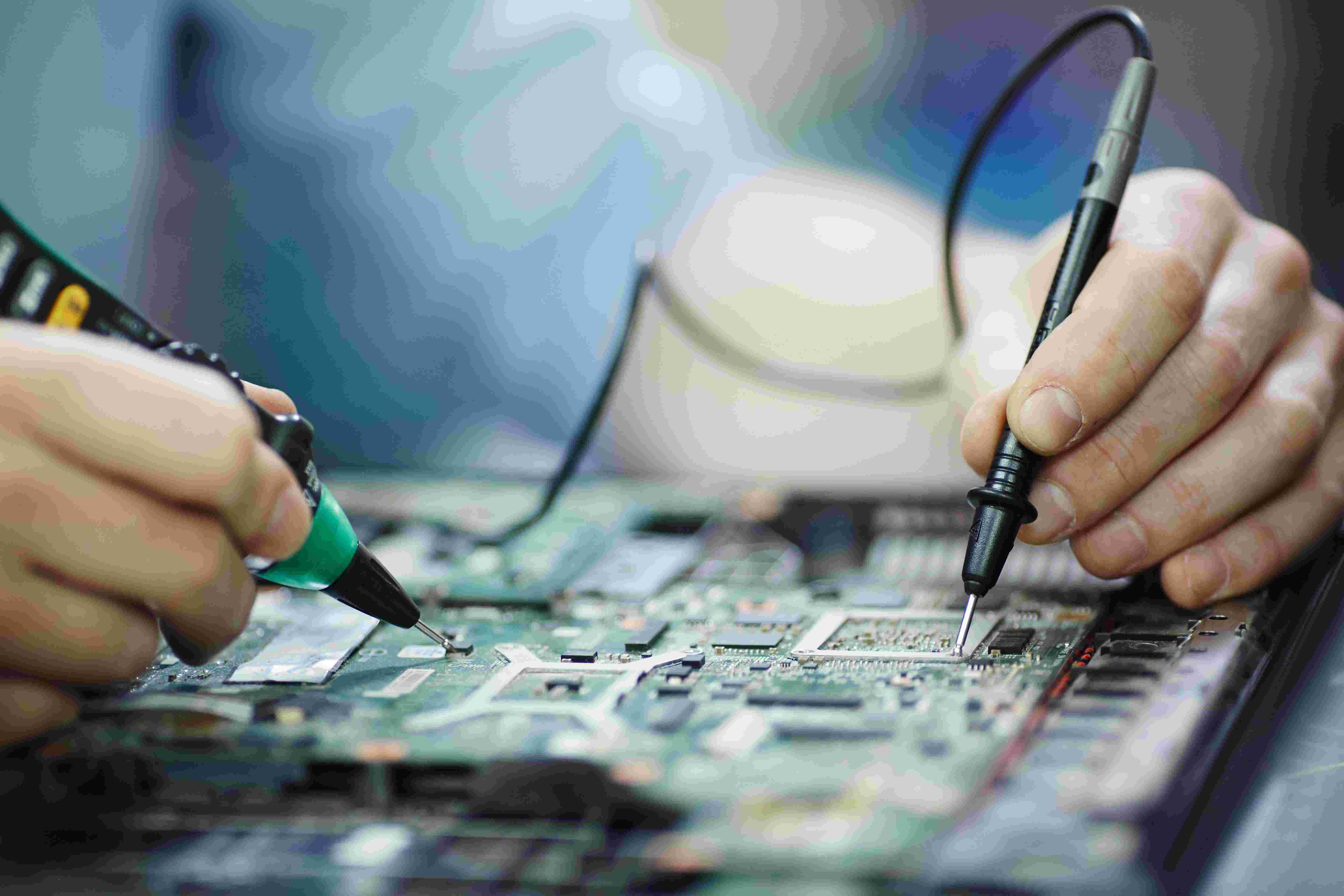
Top Non-Destructive Testing (NDT) Services: Reliable Inspection Solutions for Safety and Quality
Understanding Non-Destructive Testing (NDT) Services: Reliable Inspection for Safety and Quality
In industries where structural integrity and material reliability are critical, Non-Destructive Testing (NDT) services play an essential role. From aerospace and oil and gas to construction and manufacturing, NDT allows companies to inspect, evaluate, and ensure the safety of materials and components without causing damage or altering their usefulness.
What is Non-Destructive Testing (NDT)?
Non-Destructive Testing (NDT) refers to a wide range of inspection techniques used to evaluate the properties of a material, component, or system without causing any damage. Unlike destructive testing, where samples are destroyed to analyze defects or performance, NDT allows for comprehensive inspection without harming the item being tested. This makes it particularly valuable in industries where product integrity is paramount.
Why NDT Services are Critical
NDT services are crucial for detecting defects, assessing structural integrity, and preventing potential failures before they occur. By identifying internal or surface flaws, cracks, or weak points, NDT ensures that materials and components meet safety and quality standards.
For example, in industries like aerospace, oil and gas, and nuclear power, NDT helps avoid catastrophic failures by spotting defects that are invisible to the naked eye. Early detection of these issues not only ensures the safety of operations but also reduces repair costs, minimizes downtime, and prolongs the lifespan of critical infrastructure.
Common NDT Techniques
There are several methods used in NDT, each tailored to specific types of inspections or materials:
-
Ultrasonic Testing (UT): This technique uses high-frequency sound waves to detect imperfections or changes in material properties. It’s widely used for identifying internal flaws such as cracks, voids, or inclusions in metals, plastics, and composites.
-
Magnetic Particle Testing (MPT): MPT is ideal for detecting surface or near-surface defects in ferromagnetic materials. The test uses magnetic fields to highlight irregularities on the surface, such as cracks or seams, that could weaken the material.
-
Radiographic Testing (RT): Often used in weld inspection, this technique employs X-rays or gamma rays to capture images of the internal structure of an object. It’s useful for detecting voids, inclusions, and other hidden defects in materials like metals, ceramics, and plastics.
-
Liquid Penetrant Testing (PT): PT involves applying a liquid dye to the surface of a material to reveal any surface-breaking defects. Once excess dye is removed, the remaining liquid in the defect is visible under ultraviolet or white light, making it ideal for spotting cracks or surface porosity.
-
Eddy Current Testing (ECT): ECT uses electromagnetic induction to detect flaws in conductive materials. It’s commonly used in industries like aerospace and automotive to check for cracks, corrosion, or material thickness variations.
-
Visual Inspection (VI): While basic, visual inspection remains one of the most commonly used NDT methods, relying on the inspector’s expertise to identify defects or irregularities on the surface of a material or component.
Applications of NDT Services
NDT services are widely used across many industries, including:
- Aerospace: Ensures the integrity of aircraft components, such as engines, landing gear, and fuselage.
- Oil and Gas: Inspects pipelines, storage tanks, and offshore structures for corrosion, cracks, and other weaknesses.
- Construction: Evaluates the structural integrity of bridges, buildings, and other infrastructure.
- Manufacturing: Helps ensure the quality of raw materials and finished products before and after production.
- Nuclear Power: Monitors the safety of reactors, pressure vessels, and other critical components.
Benefits of NDT Services
- Prevents Failures: Early detection of defects prevents costly repairs, catastrophic failures, and production downtime.
- Cost-Effective: By avoiding destructive testing, NDT services save money on materials, labor, and time.
- Compliance with Standards: NDT ensures that materials and components meet regulatory and safety standards in various industries.
- Increased Safety: Detecting defects that could lead to accidents or equipment failure promotes a safer working environment.
- Extends Asset Life: Regular NDT inspections help extend the lifespan of infrastructure and equipment by identifying and addressing issues early.
Choosing the Right NDT Service Provider
Selecting a reliable NDT service provider is crucial for ensuring accurate, reliable results. A qualified provider will have certified technicians, state-of-the-art equipment, and experience in your industry. Look for companies that adhere to industry standards such as ISO 9712 or ASNT (American Society for Nondestructive Testing) certification.
Conclusion
Non-Destructive Testing (NDT) services are an indispensable part of ensuring safety and quality in various industries. By offering thorough, non-invasive inspections, NDT helps businesses maintain operational efficiency, prevent failures, and meet regulatory requirements. Investing in regular NDT inspections is a proactive approach that ultimately saves time, money, and lives.
Leave A Reply