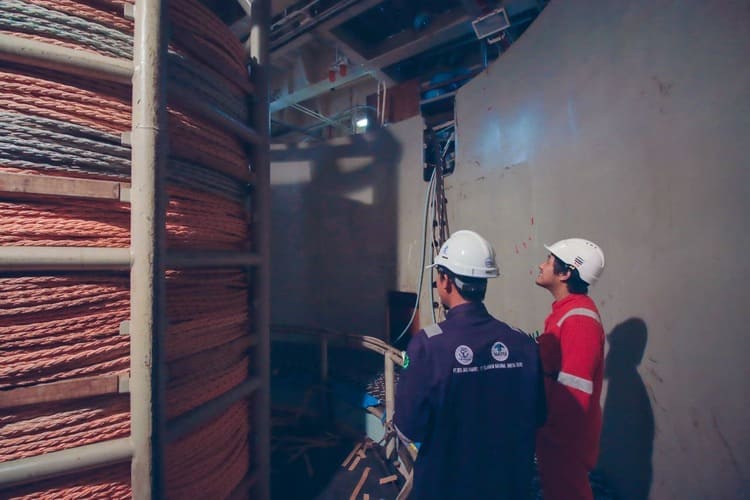
Safety measures in a ship agency refer to the protocols, practices, and standards implemented to protect the health and safety of employees, vessels, cargo, and the environment. These measures aim to prevent accidents, reduce risks, and ensure compliance with maritime regulations. They encompass training, use of personal protective equipment, emergency response plans, risk assessments, and ongoing safety inspections. Essentially, these measures are designed to create a safe working environment and mitigate potential hazards associated with shipping operations.
A critical aspect of effective safety measures in a ship agency is the establishment of robust communication channels among all relevant parties, including ship crews, port authorities, and agency personnel. This communication is essential for promoting safety and ensuring that all stakeholders are aligned on safety protocols. Regular safety briefings and updates are necessary to keep everyone informed about current safety regulations, operational modifications, and emergency procedures, thereby fostering a culture of safety consciousness and teamwork.
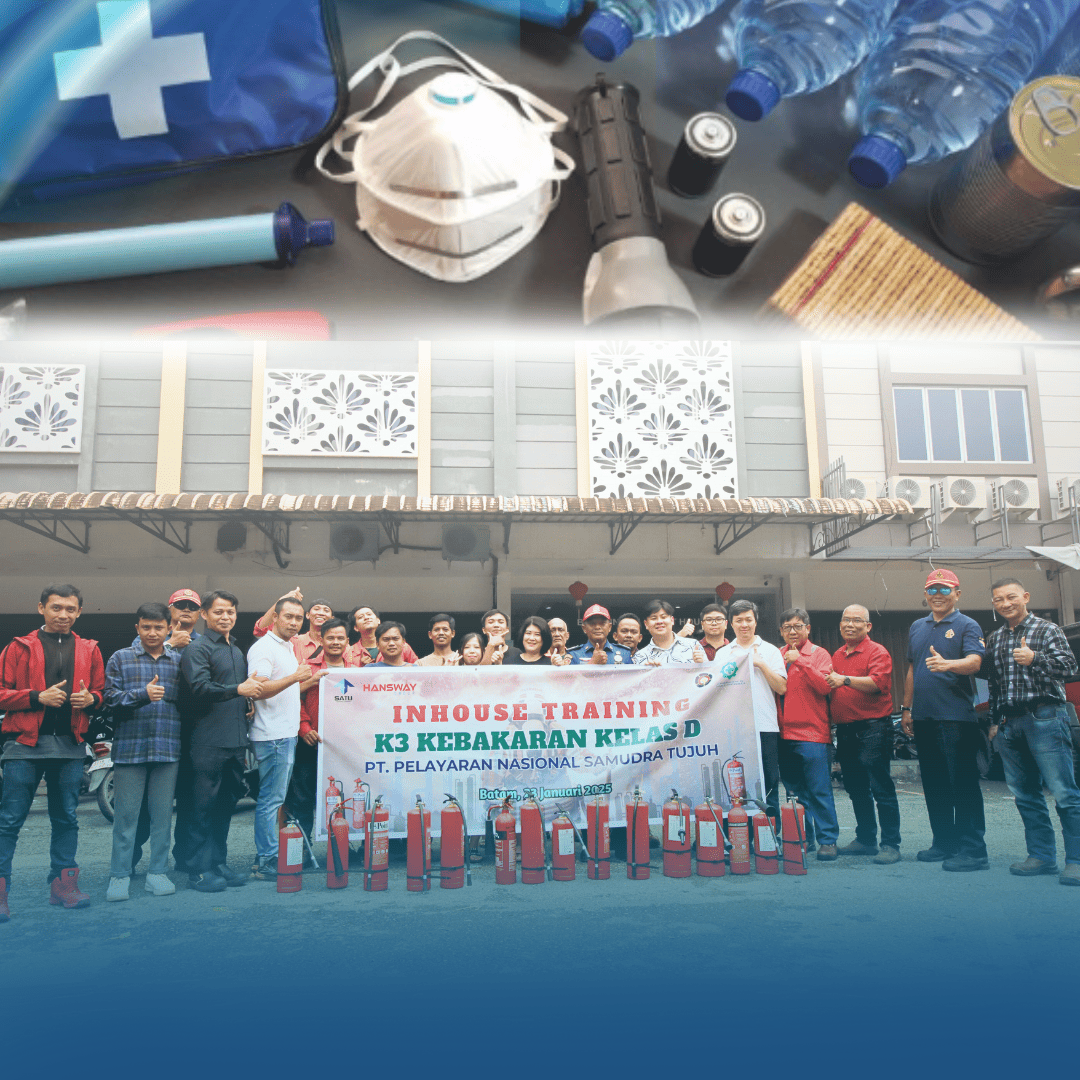
One of the foundational elements of safety in ship agency is the implementation of rigorous training programs for staff. These programs are designed to enhance employees' awareness of safety procedures and protocols, ensuring that all personnel are well-equipped to handle various situations that may arise during maritime operations. Training often includes simulations of emergency scenarios, which help staff to develop the skills and confidence needed to respond effectively in real-life situations. Regular refresher courses are also essential to keep safety knowledge current and to adapt to any changes in regulations or operational practices.
In addition to training, the development and implementation of comprehensive emergency response plans are vital. These plans should be tailored to address specific scenarios that may occur in the maritime environment, such as oil spills, fires, or onboard medical emergencies. By having clear, well-communicated procedures in place, ship agencies can ensure that all personnel know their roles and responsibilities in the event of an emergency, thereby minimizing confusion and enhancing response times.
Regular maintenance and inspection of equipment are also critical components of safety measures in ship agencies. This includes routine checks of safety gear, navigation systems, and other essential machinery to prevent malfunctions that could lead to accidents or incidents at sea. By adhering to a strict maintenance schedule and promptly addressing any identified issues, ship agencies can significantly reduce the likelihood of equipment failure, which is a common cause of maritime accidents.
As we progress into the future of maritime operations, it is vital that we collectively prioritize safety in every aspect of our voyages. By committing to this principle, we can ensure that the protection of human lives and the preservation of the environment are central to our mission, thereby reinforcing our dedication to responsible maritime practices. And here some key safety measures:
By prioritizing these safety measures, ship agencies can effectively manage potential hazards and contribute to the overall efficiency and reliability of maritime transport. A strong safety culture not only protects the lives of crew members and the integrity of vessels but also enhances the agency's reputation and operational performance. Ultimately, a commitment to safety is an investment in the long-term sustainability and success of maritime operations, benefiting all stakeholders involved in the shipping industry.
Information and KnowledgeOne of the most crucial activities in ship agency that often goes unnoticed is the port clearance process. This process is essential for every vessel before and after operating in a port. This article...
Read MoreIn the dynamic world of shipping and transportation, PT Pelayaran Nasional Samudra Tujuh is a leading company that specializes in procuring solutions for shipping projects and shipyard projects. Locat...
Read MoreUnderstanding K3 National Day and the Importance of Safety Culture in Indonesia Every year, Indonesia commemorates K3 National Day from January 12 to February 12. This is not just a ceremonial occasi...
Read MoreIn this increasingly interconnected global framework, the dynamics of trade are crucial in influencing the maritime sector. Ship agencies, acting as intermediaries between ship owners and cargo propri...
Read More


 简体中文
简体中文