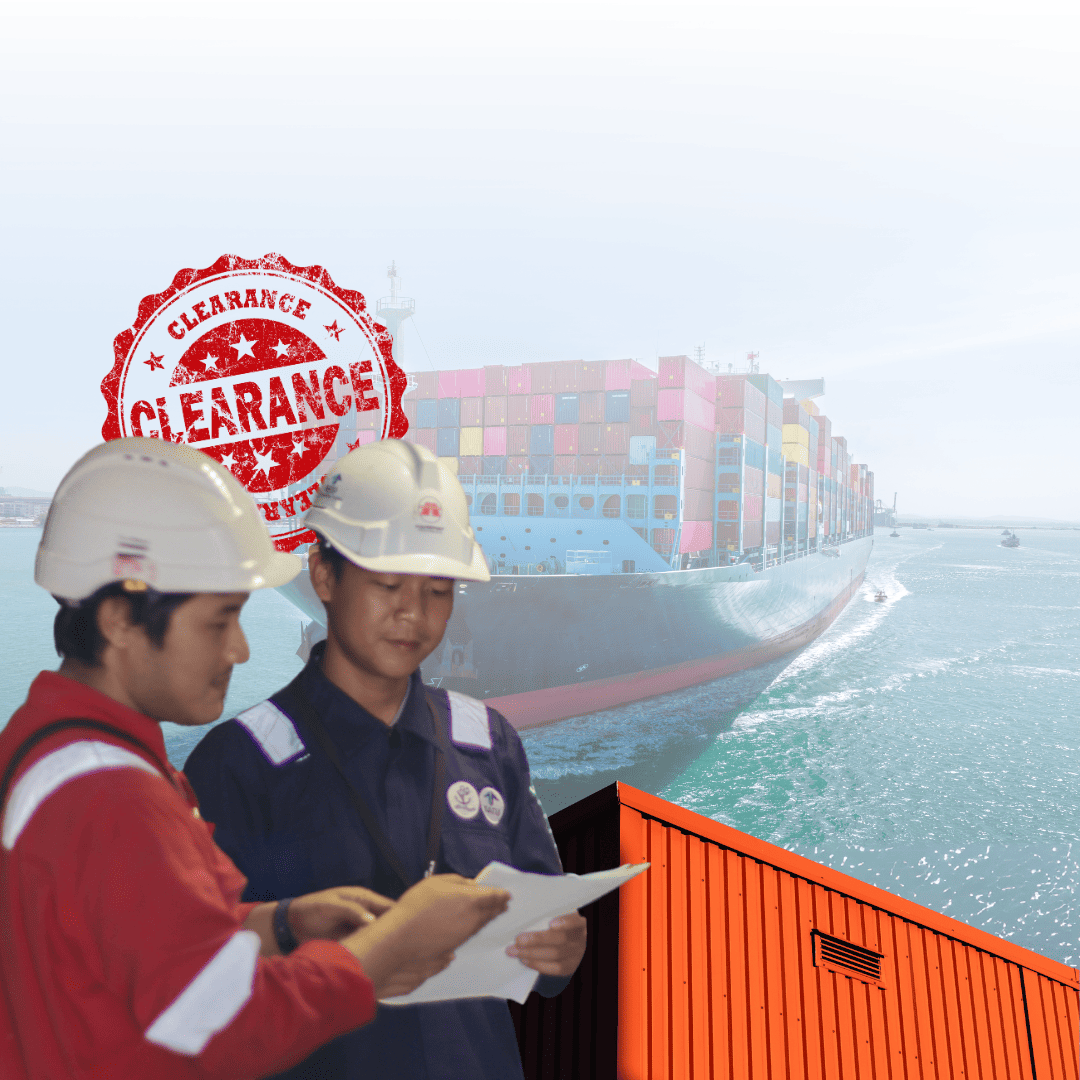
In this increasingly interconnected global framework, the dynamics of trade are crucial in influencing the maritime sector. Ship agencies, acting as intermediaries between ship owners and cargo proprietors, are significantly impacted by these evolving trade conditions. The ramifications of global trade dynamics on ship agencies are extensive and complex, encompassing aspects such as fluctuating freight rates, changing trade routes, and compliance challenges. This is one of the primary factors currently affecting ship agencies and outlines strategies for adapting to these changes to maintain a competitive edge.
The Influence of Tariffs and Trade Policies
The imposition of tariffs and trade regulations stands as a pivotal element influencing global trade dynamics. These tariffs can significantly modify the pricing framework of goods, which in turn can lead to alterations in demand across various trade routes.
As a result, ship agencies must be agile in adapting to these shifts. Understanding the nuances of trade policies and their implications on shipping logistics is crucial for agencies aiming to thrive in this environment.
Freight Rates and Cargo Pricing
Freight rates are directly influenced by global trade dynamics. When demand for shipping services fluctuates due to changes in trade volumes, agencies must respond accordingly. Increased tariffs can lead to reduced demand for certain routes, causing freight rates to drop as shipping capacity outstrips demand. Conversely, routes experiencing heightened demand may see freight rates rise, prompting agencies to adjust their pricing strategies.
To effectively manage these fluctuations, shipping agencies should leverage data analytics and market intelligence. By accurately forecasting trends and comprehending the underlying factors that influence freight rates, agencies can refine their operational strategies and pricing models, ultimately leading to improved profitability.
Trade Route Diversification
The shifting landscape of global trade often necessitates the diversification of trade routes. For example, as companies relocate manufacturing from China to Southeast Asia in response to tariffs, new shipping demands arise. Ship agencies must be proactive in identifying and capitalizing on these emerging opportunities.
This may involve establishing partnerships with local agents in new markets, investing in marketing efforts to attract new clients, and adapting logistics strategies to accommodate different shipping requirements. By diversifying their service offerings and routes, ship agencies can mitigate risks associated with reliance on a limited number of trade lanes.
Navigating Compliance and Regulatory Changes
The maritime industry is subject to a complex web of regulations, which can vary significantly by region and country. Changes in trade policies, customs regulations, and safety standards can create compliance challenges for ship agencies. Failure to adhere to these regulations can result in costly delays and penalties.
To navigate this landscape, ship agencies must stay informed about regulatory changes and invest in compliance training for their staff. Implementing robust compliance management systems can streamline processes and ensure that all documentation is accurate and up to date. By prioritizing compliance, agencies can mitigate risks and build trust with clients.
The Importance of Strategic Partnerships
In a rapidly changing global trade environment, strategic partnerships can provide ship agencies with a competitive advantage. Collaborating with other stakeholders in the supply chain—such as freight forwarders, customs brokers, and technology providers—can enhance service offerings and improve operational efficiency.
By forming alliances, ship agencies can expand their reach into new markets, share resources, and leverage each other's expertise. These partnerships can also facilitate knowledge sharing, enabling agencies to stay ahead of industry trends and best practices.
Conclusion: Embracing Change for Future Success
The impact of global trade dynamics on ship agencies is profound and multifaceted. As geopolitical factors, market volatility, sustainability concerns, technological advancements, and regulatory changes continue to shape the maritime landscape, agencies must remain adaptable and forward-thinking.
By embracing innovation, prioritizing sustainability, and fostering strategic partnerships, ship agencies can navigate the complexities of the global trade environment. In doing so, they not only position themselves for success but also contribute to a more resilient and sustainable maritime industry. As the world of global trade continues to evolve, the ability to anticipate and respond to change will be the hallmark of successful ship agencies in the years to come.
Let’s celebrate the resilience and adaptability of ship agencies as we chart a course toward a brighter, more connected future! 🌟
#GlobalTrade #ShipAgency #Logistics #Sustainability #Innovation #Shippingagencies #maritime #regulationscustom
Information and KnowledgeOne of the most crucial activities in ship agency that often goes unnoticed is the port clearance process. This process is essential for every vessel before and after operating in a port. This article...
Read MoreIn the dynamic world of shipping and transportation, PT Pelayaran Nasional Samudra Tujuh is a leading company that specializes in procuring solutions for shipping projects and shipyard projects. Locat...
Read MoreUnderstanding K3 National Day and the Importance of Safety Culture in Indonesia Every year, Indonesia commemorates K3 National Day from January 12 to February 12. This is not just a ceremonial occasi...
Read MoreThe maritime industry is a cornerstone of global trade, facilitating the movement of goods across vast oceans. However, with this critical role comes the responsibility to uphold safety, security, and...
Read More


 简体中文
简体中文