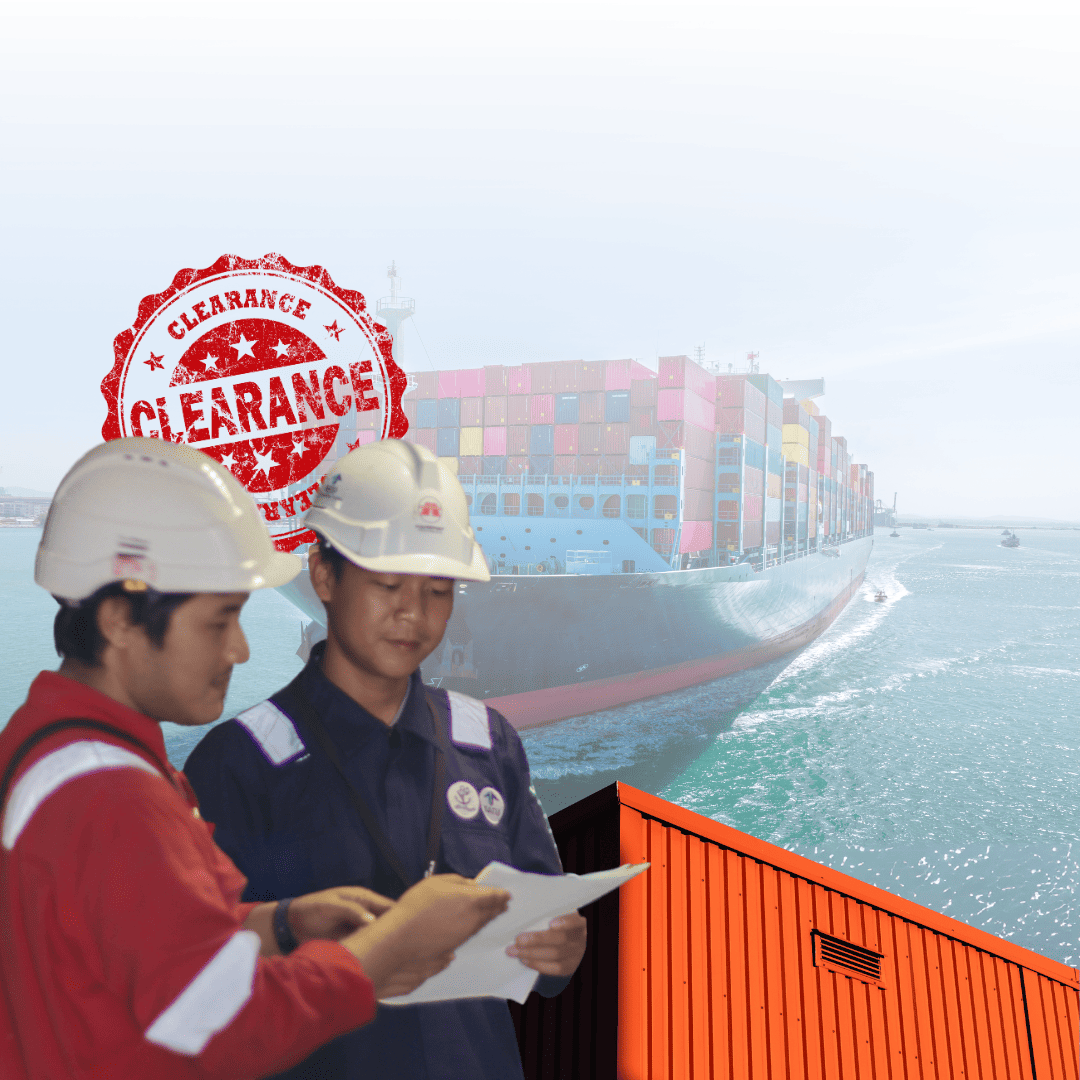
The maritime industry is a cornerstone of global trade, facilitating the movement of goods across vast oceans. However, with this critical role comes the responsibility to uphold safety, security, and environmental standards. Strong adherence to maritime regulations is essential for ensuring safer seas, protecting crew members, and preserving marine ecosystems. This article delves into the significance of compliance with maritime regulations and outlines effective strategies to enhance adherence across the industry.
The Importance of Maritime Regulations
Maritime regulations aim to set benchmarks for safety, security, and environmental safeguarding in shipping activities. These standards are upheld by multiple international bodies, including the International Maritime Organization (IMO), along with national regulatory agencies. Key areas covered by maritime regulations include:
Safety Standards: Regulations ensure that vessels are equipped with the necessary safety equipment, undergo regular inspections, and adhere to operational protocols that minimize the risk of accidents.
Crew Welfare: Regulations protect the rights and well-being of crew members, ensuring they work in safe conditions, receive proper training, and have access to medical care.
Environmental Protection: Regulations aim to prevent marine pollution, including oil spills and waste discharge, thereby protecting fragile marine ecosystems and coastal communities.
Security Measures: In an increasingly complex maritime landscape, regulations help establish security protocols to protect vessels from threats such as piracy and smuggling.
Strengthening Adherence to Regulations
To ensure strong adherence to maritime regulations, stakeholders across the industry must take proactive steps. Here are some key strategies:
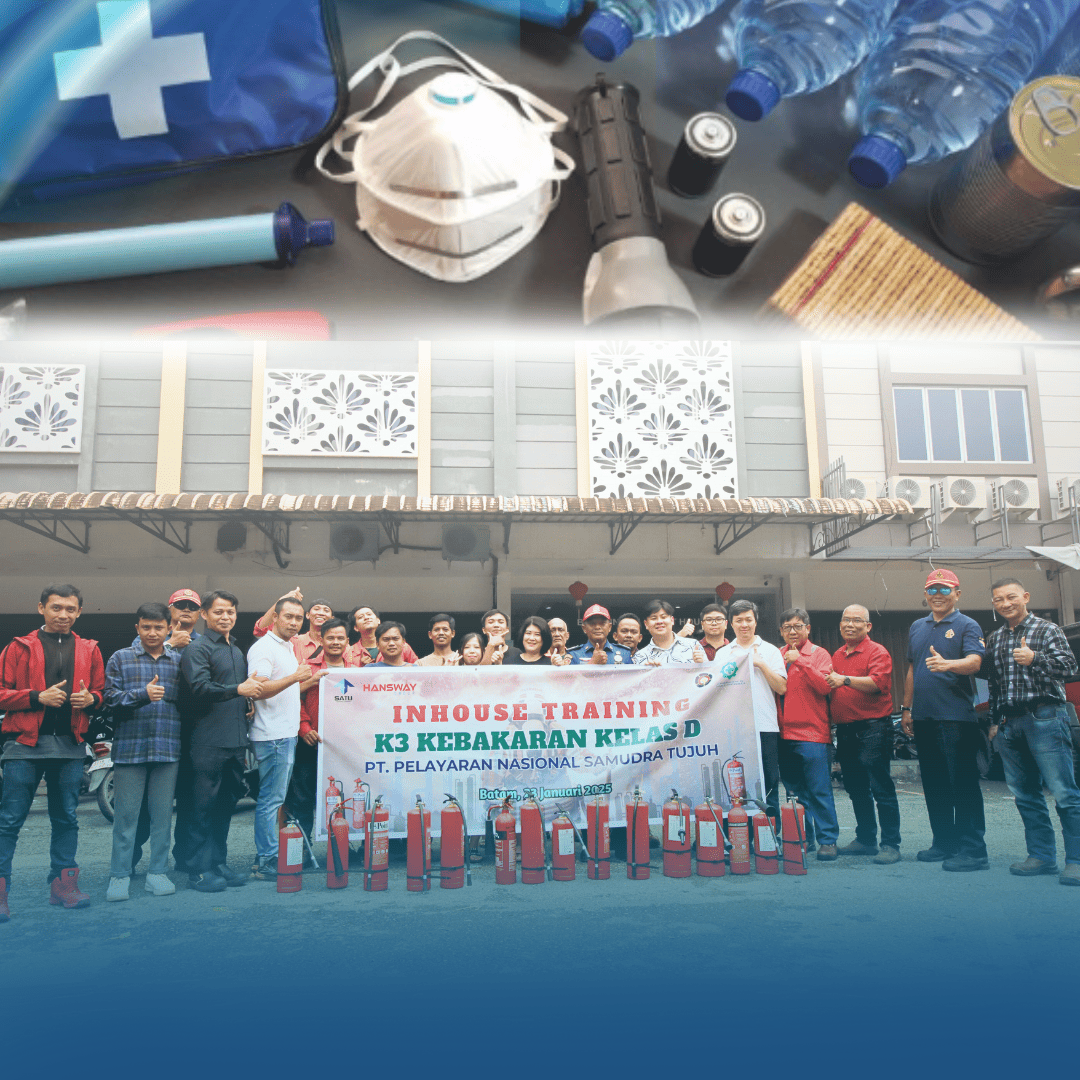
Comprehensive Training Programs: Providing crew members and shore staff with regular training on maritime regulations is essential. This training should cover safety protocols, emergency procedures, and environmental practices to ensure everyone understands their responsibilities.
Regular Audits and Inspections: Conducting routine audits and inspections of vessels and operations helps identify areas of non-compliance and allows for timely corrective actions. These assessments should be thorough and include checks on safety equipment, documentation, and crew qualifications.
Clear Communication Channels: Establishing effective communication channels among ship management, crew members, and regulatory authorities is vital. This ensures that everyone is informed about changes in regulations, best practices, and any incidents that may arise.
Emphasizing a Safety Culture: Fostering a culture of safety within the organization encourages crew members to prioritize compliance and report any concerns without fear of repercussions. This culture can be cultivated through leadership commitment, open dialogue, and recognition of safe practices.
Utilizing Technology: Leveraging technology can enhance compliance efforts. Digital tools can streamline documentation, track inspections, and provide real-time data on vessel operations, making it easier to adhere to regulations.
Engaging with Regulatory Bodies: Actively engaging with maritime regulatory bodies and participating in industry forums can help organizations stay updated on regulatory changes and best practices. This collaboration fosters a shared commitment to safety and compliance.
Conclusion
Ensuring strong adherence to maritime regulations is essential for creating safer seas and protecting the interests of all stakeholders in the maritime industry. By prioritizing safety, crew welfare, environmental protection, and security, organizations can contribute to a more sustainable and secure maritime environment. Through comprehensive training, regular audits, effective communication, and a commitment to a safety culture, the industry can strengthen compliance and navigate toward a future where safety and sustainability go hand in hand. Ultimately, the collective efforts of all parties involved will lead to safer seas for everyone.
Information and KnowledgeOne of the most crucial activities in ship agency that often goes unnoticed is the port clearance process. This process is essential for every vessel before and after operating in a port. This article...
Read MoreIn the dynamic world of shipping and transportation, PT Pelayaran Nasional Samudra Tujuh is a leading company that specializes in procuring solutions for shipping projects and shipyard projects. Locat...
Read MoreUnderstanding K3 National Day and the Importance of Safety Culture in Indonesia Every year, Indonesia commemorates K3 National Day from January 12 to February 12. This is not just a ceremonial occasi...
Read MoreIn this increasingly interconnected global framework, the dynamics of trade are crucial in influencing the maritime sector. Ship agencies, acting as intermediaries between ship owners and cargo propri...
Read More


 简体中文
简体中文