Freight forwarding plays a crucial role within the realm of ship agency, serving as a vital link in the logistics chain that facilitates the efficient movement of goods across international waters. This multifaceted process encompasses a wide array of activities that are essential for the seamless transportation of cargo, ensuring that it is handled with the utmost care and delivered in a timely manner.
At its core, freight forwarding involves the coordination and management of various transportation services, which may include ocean freight, air freight, and land transportation. Freight forwarders are responsible for organizing the entire shipping process, from the initial pickup of goods at the point of origin to their final delivery at the destination. This requires meticulous planning and execution, as well as a deep understanding of the logistics involved in international trade.
The ship agency acts as an intermediary in this complex process, navigating the myriad challenges associated with shipping regulations, customs documentation, and port operations. This role is critical, as it helps to streamline the entire shipping process, reducing the potential for delays and complications that can arise from regulatory compliance issues or logistical mismanagement. By managing these complexities, ship agencies ensure that cargo is not only transported efficiently but also in accordance with all legal and regulatory requirements.
To improving operational efficiency, freight forwarders play a pivotal role in reducing transit times. By carefully planning logistics and utilizing their network of contacts, they can expedite the movement of goods, ensuring that shipments arrive at their destinations as quickly as possible. This is particularly important in today’s fast-paced global market, where timely delivery can significantly impact a company’s competitiveness and customer satisfaction.
Ultimately, the contributions of freight forwarders within ship agencies culminate in the successful delivery of goods to their final destinations. By ensuring that every aspect of the shipping process is meticulously managed, they help businesses navigate the complexities of international trade, allowing them to focus on their core operations. In doing so, freight forwarding not only facilitates the movement of goods but also supports global commerce, fostering economic growth and connectivity across borders.
Key Aspects of Freight Forwarding:
Transportation Modes: Freight can be transported by air, sea, rail, or road, and forwarders choose the best options based on cost, speed, and the nature of the cargo.
Documentation: Freight forwarders manage necessary paperwork, such as bills of lading, customs declarations, and insurance documents.
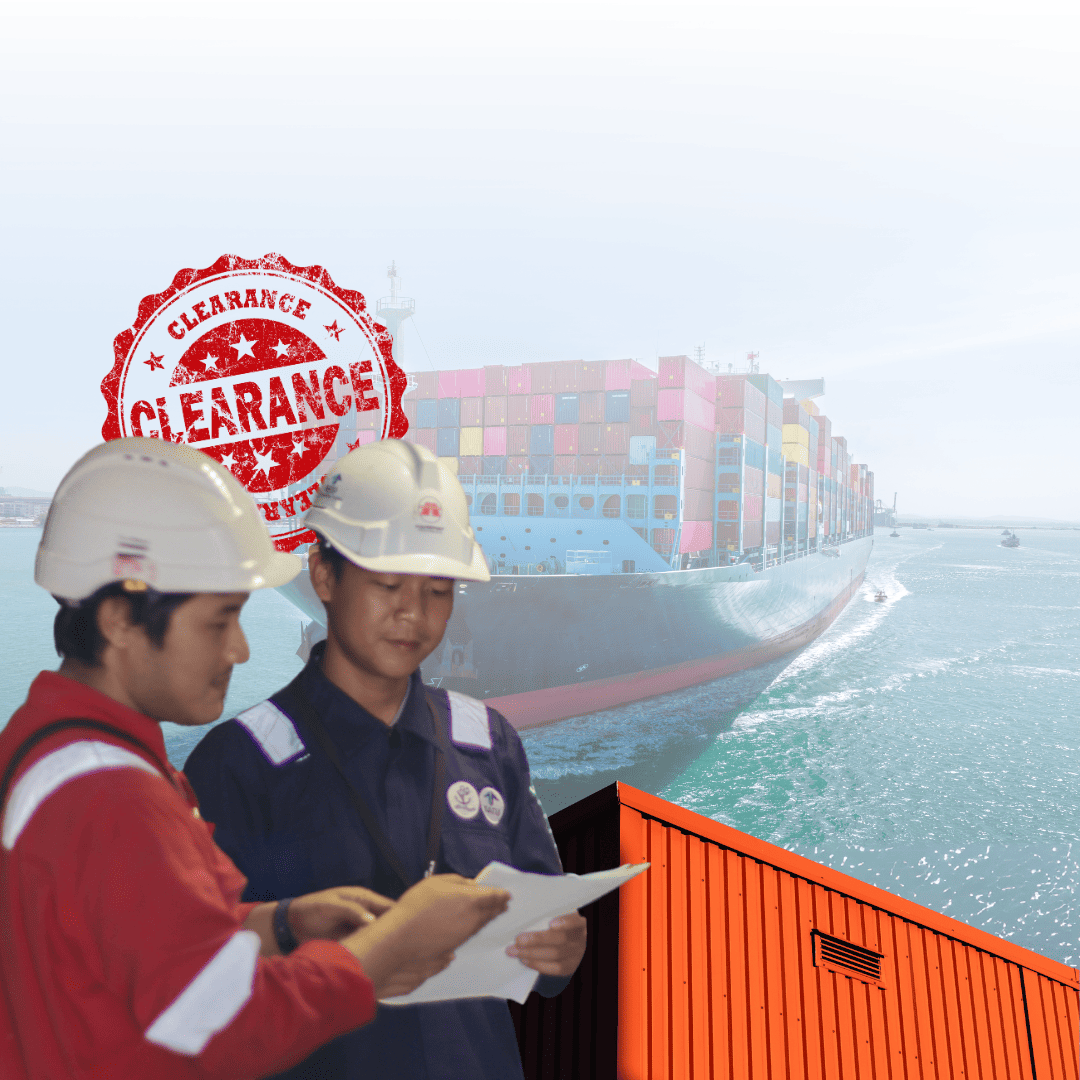
Customs Clearance: They facilitate the clearance of goods through customs, ensuring compliance with regulations and duties.
Warehousing: Some freight forwarders offer warehousing services, allowing for temporary storage of goods before onward shipment.
Insurance: They often arrange cargo insurance to protect against loss or damage during transit.
Supply Chain Management: Forwarders play a crucial role in overall supply chain logistics, coordinating with suppliers, carriers, and customers.
Benefits of Using a Freight Forwarder:
Expertise: Freight forwarders have in-depth knowledge of shipping regulations, customs, and logistics, ensuring compliance and efficiency.
Cost Savings: Negotiate better rates with carriers due to their volume of business, helping you save on shipping costs.
Time Efficiency: Forwarders handle all logistical details, allowing you to focus on your core business activities without getting bogged down by shipping complexities.
Risk Management: Arrange for cargo insurance, helping to mitigate financial losses from damage or loss during transit.
Customs Clearance: Forwarders facilitate smooth customs processing, reducing delays and ensuring timely delivery.
Network Access: They have established relationships with carriers, ports, and customs officials, which can streamline the shipping process.
Flexibility: Forwarders can adapt shipping plans based on changing needs, such as urgent deliveries or last-minute changes.
End-to-End Services: Many forwarders offer additional services like warehousing, packaging, and distribution, simplifying your logistics management.
Information and Knowledge
One of the most crucial activities in ship agency that often goes unnoticed is the port clearance process. This process is essential for every vessel before and after operating in a port. This article...
Read MoreIn the dynamic world of shipping and transportation, PT Pelayaran Nasional Samudra Tujuh is a leading company that specializes in procuring solutions for shipping projects and shipyard projects. Locat...
Read MoreUnderstanding K3 National Day and the Importance of Safety Culture in Indonesia Every year, Indonesia commemorates K3 National Day from January 12 to February 12. This is not just a ceremonial occasi...
Read MoreIn this increasingly interconnected global framework, the dynamics of trade are crucial in influencing the maritime sector. Ship agencies, acting as intermediaries between ship owners and cargo propri...
Read More


 简体中文
简体中文