


 简体中文
简体中文
The Impact of Crew Management on Onboard Safety and Security
The Impact of Crew Management on Onboard Safety and Security
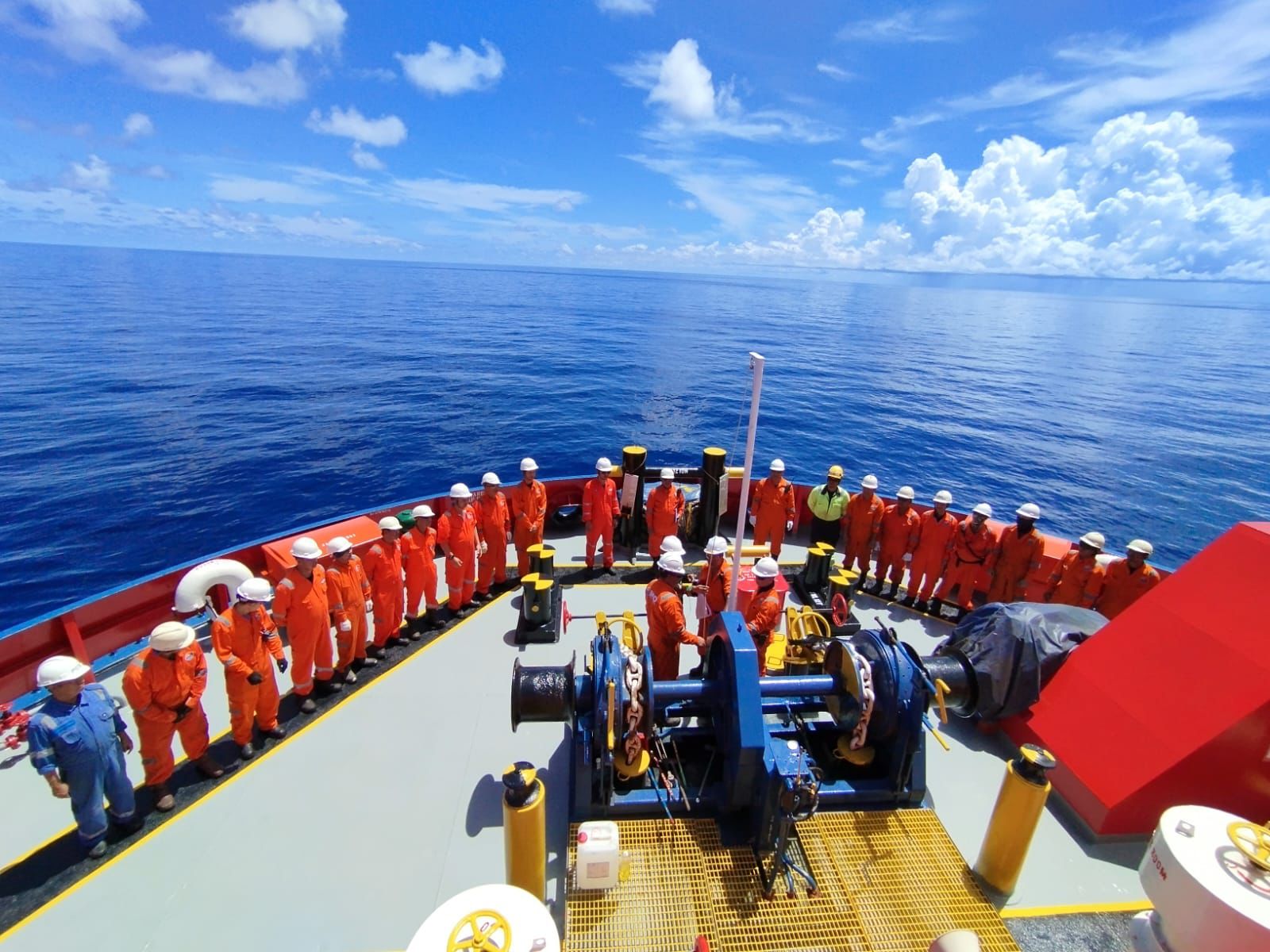
Crew management is a crucial aspect of ensuring that ships operate safely, securely, and efficiently. It involves the process of recruiting, training, certifying, scheduling, and maintaining the wellbeing of the crew members aboard a vessel. Effective crew management plays a pivotal role in onboard safety and security by influencing decision-making, response times, teamwork, and overall operational competence. The following details how different elements of crew management impact safety and security on board ships.
Impact on Safety and Security in Crew Selection and Competency:
· Selecting the right crew with appropriate qualifications, skills, and experience is foundational to maintaining high safety and security standards. Competent and well-trained crew members are better equipped to identify risks, operate safety equipment, follow protocols, and respond to emergencies.
Impact on Safety and Security in Training and Development:
· Continuous training and skill development ensure that the crew remains capable of handling a range of safety and security challenges. A proficiently trained team is better equipped to foresee risks, avert accidents, and respond effectively in emergencies.
Impact on Safety and Security in Leadership and Team management:
· Strong leadership and clear organizational structures are crucial for ensuring safety on board. The captain and officers are instrumental in fostering a culture that prioritizes safety, adhering to protocols, and making quick decisions in emergencies. Additionally, effective team management is key to maintaining order during both everyday operations and high-stress situations.
Impact on Safety and Security in Incident Reporting and Continuous Improvement:
· By prioritizing effective incident reporting and ongoing enhancements, organizations can create a safer environment, reduce the likelihood of future incidents, and promote a proactive approach to risk management.
Impact on Safety and Security in Cultural Sensitivity and Diversity:
- Cultural sensitivity and diversity improve onboard safety and security by promoting better communication and understanding among crew members and passengers. When crew members are trained to respect different cultures, it helps avoid misunderstandings or conflicts that could escalate into safety or security issues. By recognizing and respecting cultural differences, the crew can handle situations more effectively, whether it's resolving disputes or addressing safety concerns. A diverse crew also brings different perspectives, making it easier to spot and deal with security threats. Overall, cultural sensitivity creates a safer and more respectful environment for everyone on board.
Impact on Safety and Security in Regulator Compliance and Industry Standards:
· Incident reporting and continuous improvement are vital for maintaining safety and security by ensuring compliance with regulatory requirements and industry standards. Organizations can identify safety gaps, address potential risks, and update their procedures to meet changing regulations when they report incidents. This proactive approach helps organizations align with both local and international safety standards, improve emergency response protocols, and strengthen security measures. By continually refining safety practices based on reported incidents, companies reduce the risk of accidents, ensure regulatory compliance, and build trust with regulators, passengers, and the public, ultimately enhancing overall safety and security.


0 Comment